The Soroti Catholic Diocese Integrated Development Organization (SOCADIDO), the development arm of the Soroti Catholic Diocese, is steadily cementing its reputation as one of the leading drivers of social and economic transformation in the Teso sub-region, with a growing portfolio of interventions that are improving household incomes, strengthening resilience, and restoring dignity to vulnerable communities.
Operating across 10 districts and one city, Soroti, Katakwi, Kapelebyong, Amuria, Kalaki, Kaberamaido, Kumi, Bukedea, Serere, Ngora, and Soroti City, SOCADIDO has continued to implement integrated, community-centered development approaches that place local people at the heart of sustainable change.
Its work focuses on key pillars that directly influence livelihoods and resilience, including sustainable agriculture, climate change mitigation and adaptation, Water, Sanitation and Hygiene (WASH), human health and nutrition, and social protection. Through these interventions, the organization is not only addressing immediate household challenges but also building systems that enable communities to withstand future shocks and pursue long-term prosperity.
In the first quarter of 2026, SOCADIDO recorded significant progress through the implementation of three flagship initiatives: the Multi-Actor Partnership Phase II (MAP II) project, the School WASH (S-WASH) intervention, and the National Oilseed Project (NOSP). Collectively, these programs offer a compelling picture of an organization that is transforming lives across the Teso sub-region by strengthening food systems, improving public health, and empowering smallholder farmers to move from subsistence to enterprise.
A major milestone in SOCADIDO’s 2026 development journey was the official rollout of the Multi-Actor Partnership Phase II (MAP II) project in January 2026 across six districts: Soroti City, Soroti District, Katakwi District, Ngora District, Kapelebyong District, and Kaberamaido District.
The project, titled “Promoting Sustainable Agriculture and Value Chains among Smallholders in Teso, Eastern Uganda,” builds on the solid gains registered under the first phase, ADEFO-MAP I, which successfully strengthened community institutions and improved the livelihoods of 3,600 farmers.
Supported by Sign of Hope with funding from BMZ, MAP II is designed to deepen the gains already made by scaling up farmer participation in agribusiness, improving access to markets, strengthening producer organizations, and promoting sustainable and climate-smart agricultural practices.
The initiative is especially timely in a region where the majority of households depend on agriculture, yet continue to face recurring challenges such as erratic weather patterns, low productivity, limited market access, poor post-harvest handling, and inadequate farmer organization.
The second phase of the project seeks not merely to support production, but to transform how farmers think and operate, from small-scale survival-based cultivation to commercially oriented farming that creates lasting income and resilience.
One of the standout achievements under the project came between 21st and 24th February 2026, when SOCADIDO, through the MAP Project, co-organized a major regional Agricultural Trade Show under the theme: “Revamping Agribusiness, Revitalizing Food Security.”
Held in collaboration with Awoja Riverside Farm, the Bank of Uganda, the National Agricultural Research Organisation (NARO), and the ADEFO Foundation, the event attracted more than 1,000 participants, including farmers, agribusiness actors, schools, extension service providers, researchers, and development partners.
The trade show served as more than just an exhibition. It became a vibrant platform for knowledge exchange, innovation dissemination, practical demonstrations, and market engagement. Farmers interacted directly with input suppliers, financial institutions, seed companies, mechanization actors, and off-takers, enabling them to appreciate the full agricultural value chain and identify pathways for improving productivity and profitability.
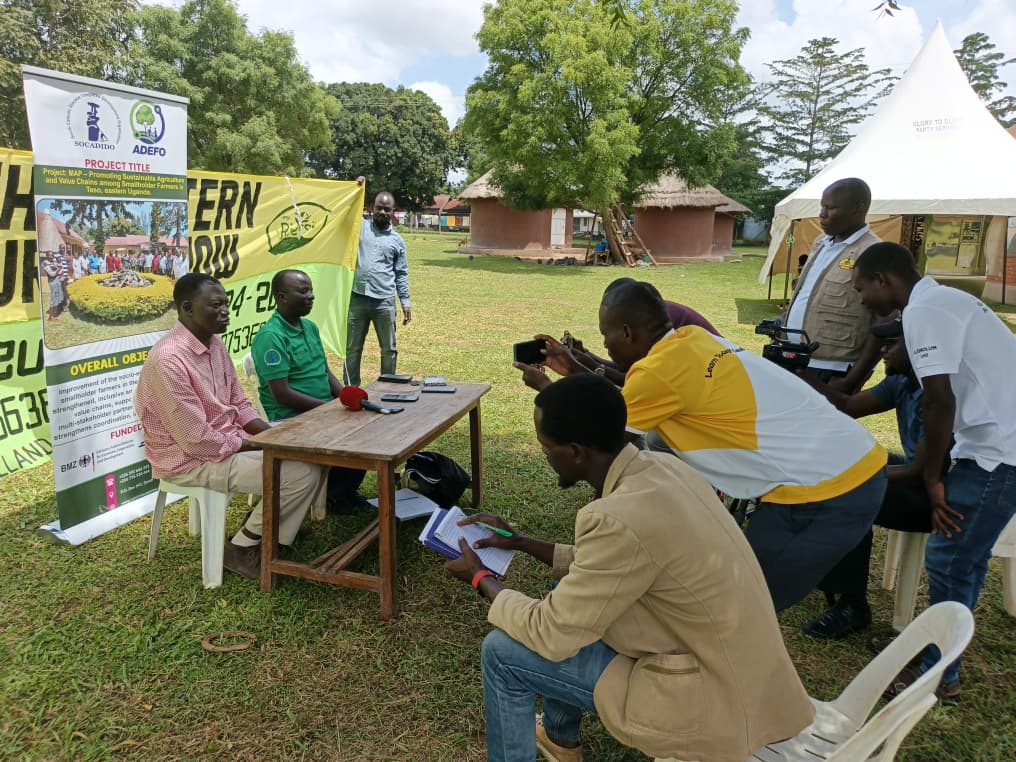
By bringing essential services closer to farmers, the event strengthened relationships across the value chain and reaffirmed SOCADIDO’s role as a key catalyst for inclusive agribusiness development in Eastern Uganda.
In another major breakthrough, SOCADIDO has taken a bold step toward improving public health and strengthening water safety systems by establishing a modern water quality testing laboratory at its offices in Soroti City.
The facility represents a strategic and forward-looking investment that is expected to play a critical role in ensuring access to safe drinking water for communities across the Teso sub-region.
For years, access to water in many rural communities has often meant access to water of uncertain quality. While boreholes and other sources may exist, the challenge of contamination, whether physical, chemical, or microbiological, has remained a serious public health concern, contributing to the prevalence of waterborne diseases and placing children, women, and vulnerable households at risk.
SOCADIDO’s new laboratory is designed to address that gap by enabling early detection of contamination, guiding evidence-based water treatment interventions, and supporting improved decision-making in WASH programming.
The laboratory is equipped to test a wide range of parameters, including pH, turbidity, electrical conductivity, total dissolved solids, and dangerous contaminants such as iron, fluoride, nitrates, and E. coli. This gives SOCADIDO and its partners the technical capacity to assess water safety more accurately and respond quickly where risks are identified. The establishment of the facility has already drawn praise from development partners.
During a recent visit by a delegation from Just a Drop (JAD), a key funding partner supporting School WASH interventions, the laboratory was commended as a visionary investment that demonstrates SOCADIDO’s commitment to innovation, sustainability, and long-term community health outcomes.
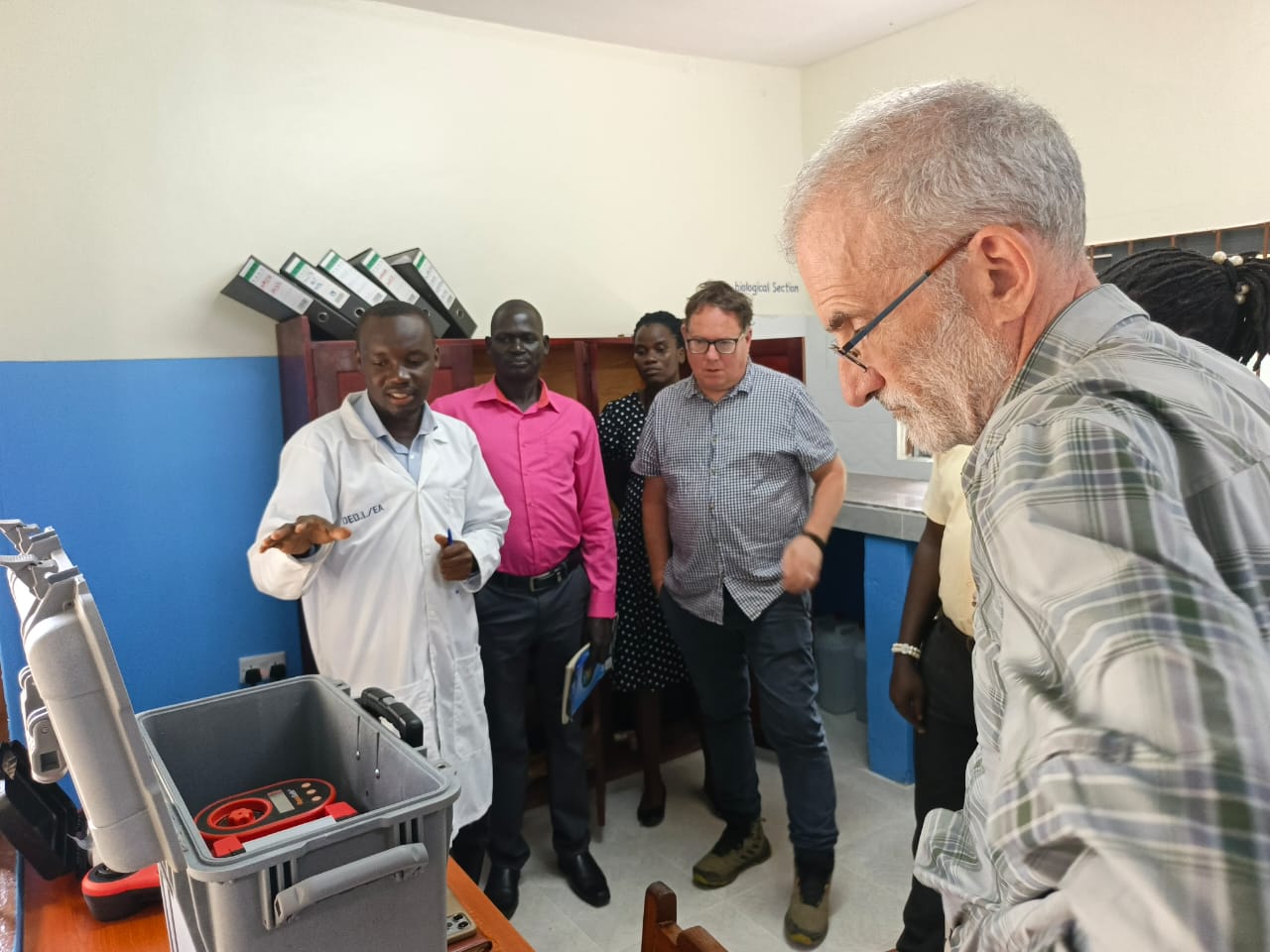
The laboratory was funded through a blend of internal resources (60 percent) and support from Sign of Hope and BMZ (40 percent), a reflection of both local ownership and trusted donor partnership.
Beyond its technical value, the facility signals an important shift in how local development organizations can invest in systems that not only deliver services but also generate evidence for more effective interventions.
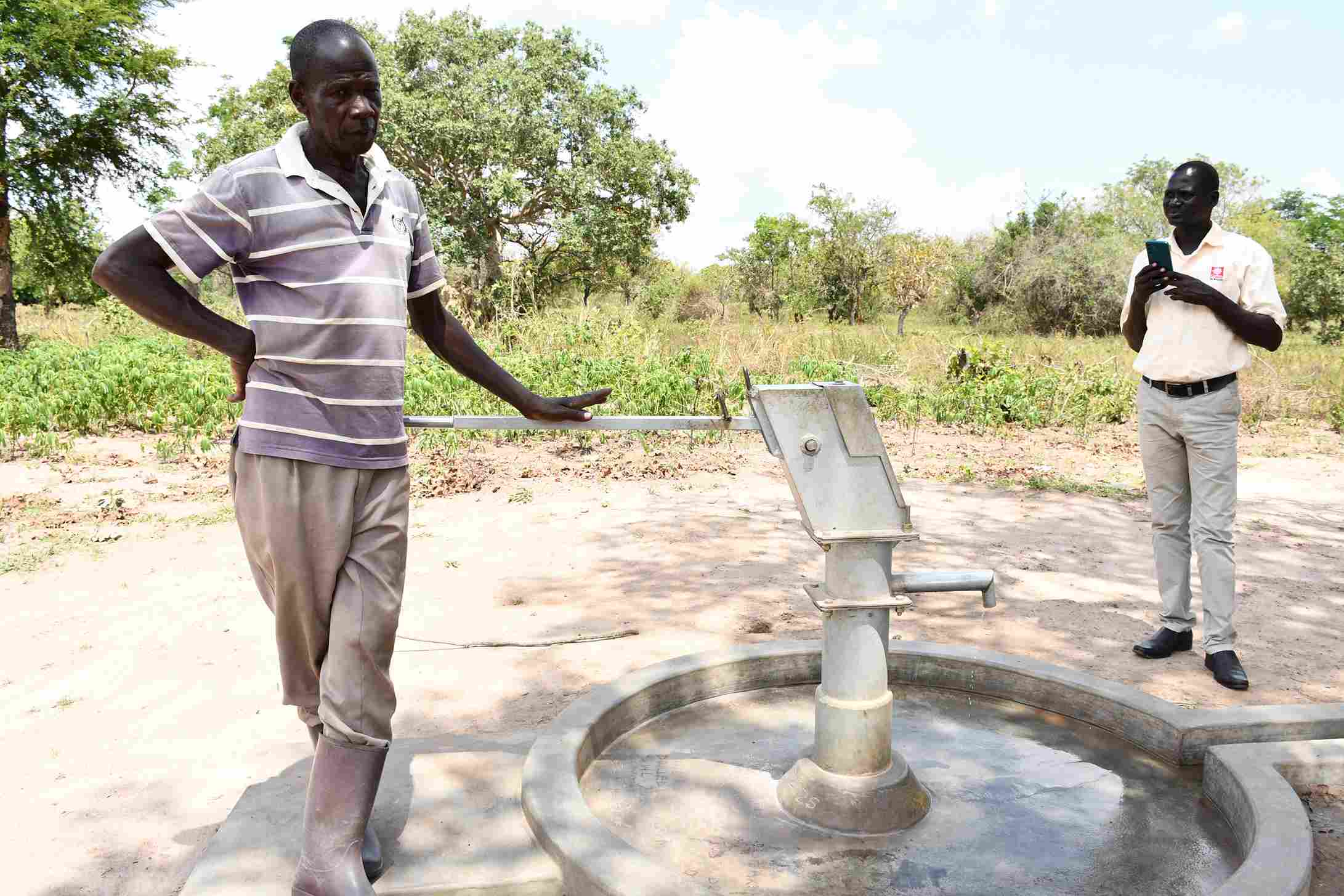
The impact of SOCADIDO’s WASH interventions is already visible in communities and schools, particularly through the School WASH (S-WASH) project being implemented at Aakum Primary School in Kapelebyong District.
In a region where poor sanitation, inadequate water access, and weak hygiene practices have historically undermined both health and educational outcomes, the intervention has delivered transformative results.
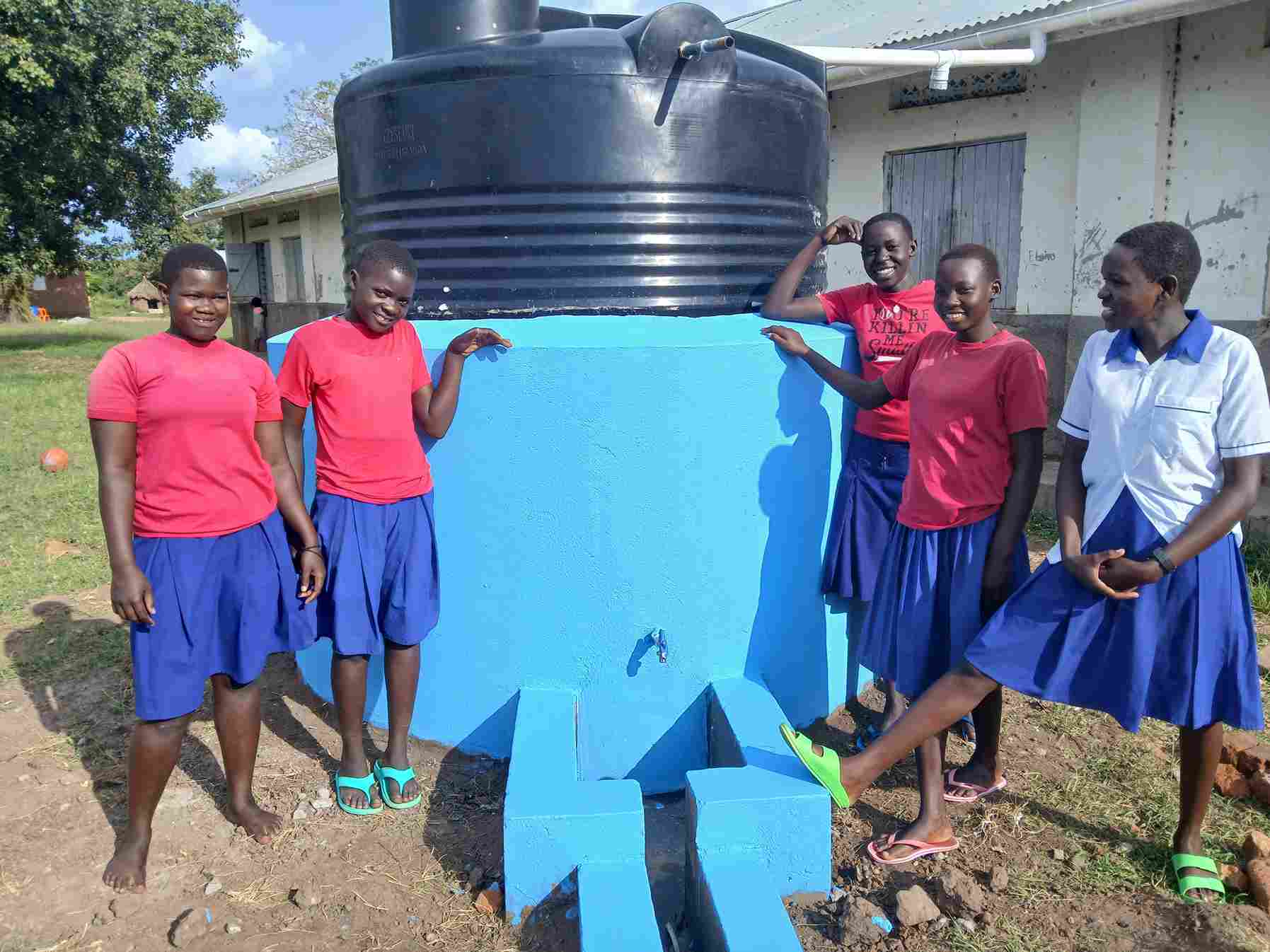
The Pupils of Aakum – Acowa standing in-front of the newly constructed 5,000 litres water tankThe project directly reached at least 84 households and facilitated the drilling of a borehole as well as the installation of two 5,000-litre water tanks, significantly improving access to clean and safe water for learners and surrounding communities.
Before the intervention, residents and pupils often walked long distances in search of water, while sanitation gaps exposed children and households to disease and indignity. Today, the distance to water sources has been reduced from three kilometres to one kilometre, saving time, reducing drudgery, and improving daily productivity.
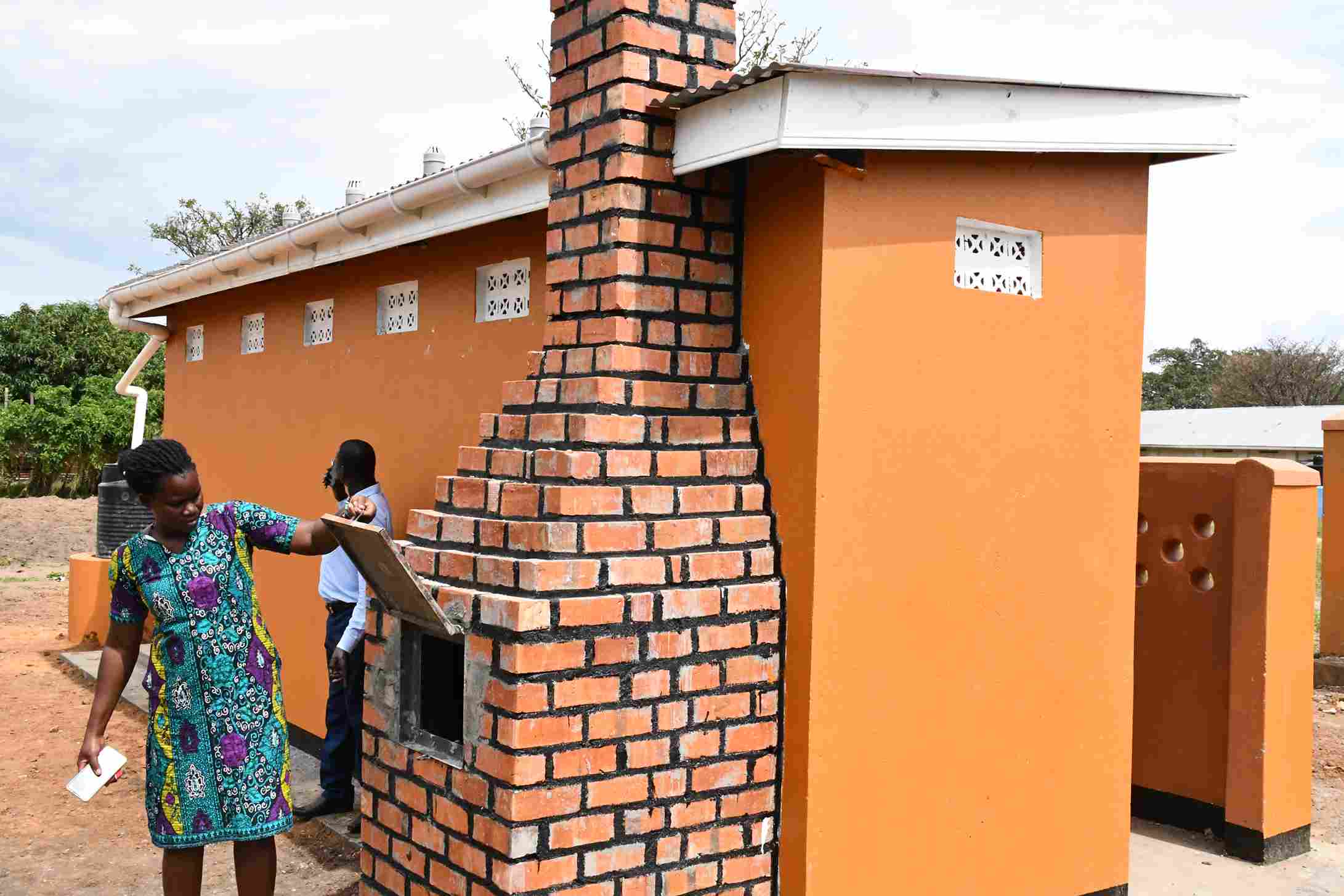
The sanitation outcomes have been equally impressive. According to project reports, open defecation has been eliminated in the target area, while latrine coverage has reached 100 percent, an important milestone in community health and behavior change.
These improvements are doing more than preventing disease. They are also boosting school attendance, concentration, and performance, particularly among girls who are often disproportionately affected by inadequate sanitation facilities.
Perhaps one of the most powerful outcomes has been the intervention’s impact on gender dignity and inclusion. SOCADIDO reports a 95 percent improvement in girls’ participation in school activities, underscoring the importance of safe water and sanitation in keeping girls in school and enabling them to participate with confidence.
As one community member observed, “Access to water and proper sanitation has restored dignity to our children, especially girls, and given them confidence to stay in school.”
For many development practitioners, this is the essence of integrated programming: a borehole is not just a water point; it is a public health asset, a time-saving intervention, an education booster, and a dignity-restoring investment.
SOCADIDO has also continued to make substantial impact in agricultural commercialization through its role in the National Oilseed Project (NOSP), which is being implemented in partnership with the Ministry of Agriculture, Animal Industry and Fisheries (MAAIF).
As a contracted Private Service Provider (PSP), SOCADIDO is delivering agribusiness development services across 10 districts: Soroti, Serere, Kaberamaido, Kalaki, Amuria, Katakwi, Kumi, Ngora, Bukedea, and Kapelebyong.
Through the project, the organization is reaching over 16,500 farming households, organized into 553 producer groups, making it one of the most far-reaching farmer support interventions currently underway in the Teso sub-region.
The intervention focuses on key oilseed enterprises including sesame, groundnuts, sunflower, and soybeans, with a strong emphasis on improving productivity, profitability, and resilience along the entire value chain.
One of the strongest pillars of the project is farmer institutional strengthening. To date, 85 percent of the 553 farmer groups have been formally registered at sub-county and district levels. This is a major step forward because formal registration enhances group governance, credibility, and access to critical services such as finance, insurance, training, and structured market opportunities.
This institutional strengthening is reinforced through continuous social group mentoring, which supports better leadership, accountability, cohesion, and inclusion, especially for women and youth, who often face structural barriers in accessing productive assets and decision-making spaces.
SOCADIDO has also made notable investments in agricultural extension and capacity building. Through a network of Field Extension Officers and more than 50 Community-Based Facilitators, farmers are being trained in Good Agronomic Practices (GAPs), climate-smart agriculture, post-harvest handling, and farm business management.
In addition, 202 farmer groups have been equipped with practical record-keeping tools covering production, sales, and cost-benefit analysis. This is helping farmers track enterprise performance, understand profitability, and make more informed business decisions, a key ingredient in the shift from traditional farming to agribusiness.
To improve productivity and ensure timely access to quality planting materials, SOCADIDO has facilitated strong linkages between farmer groups and research institutions such as the National Semi-Arid Resources Research Institute (NaSARRI) and Soybean Africa under Makerere University.
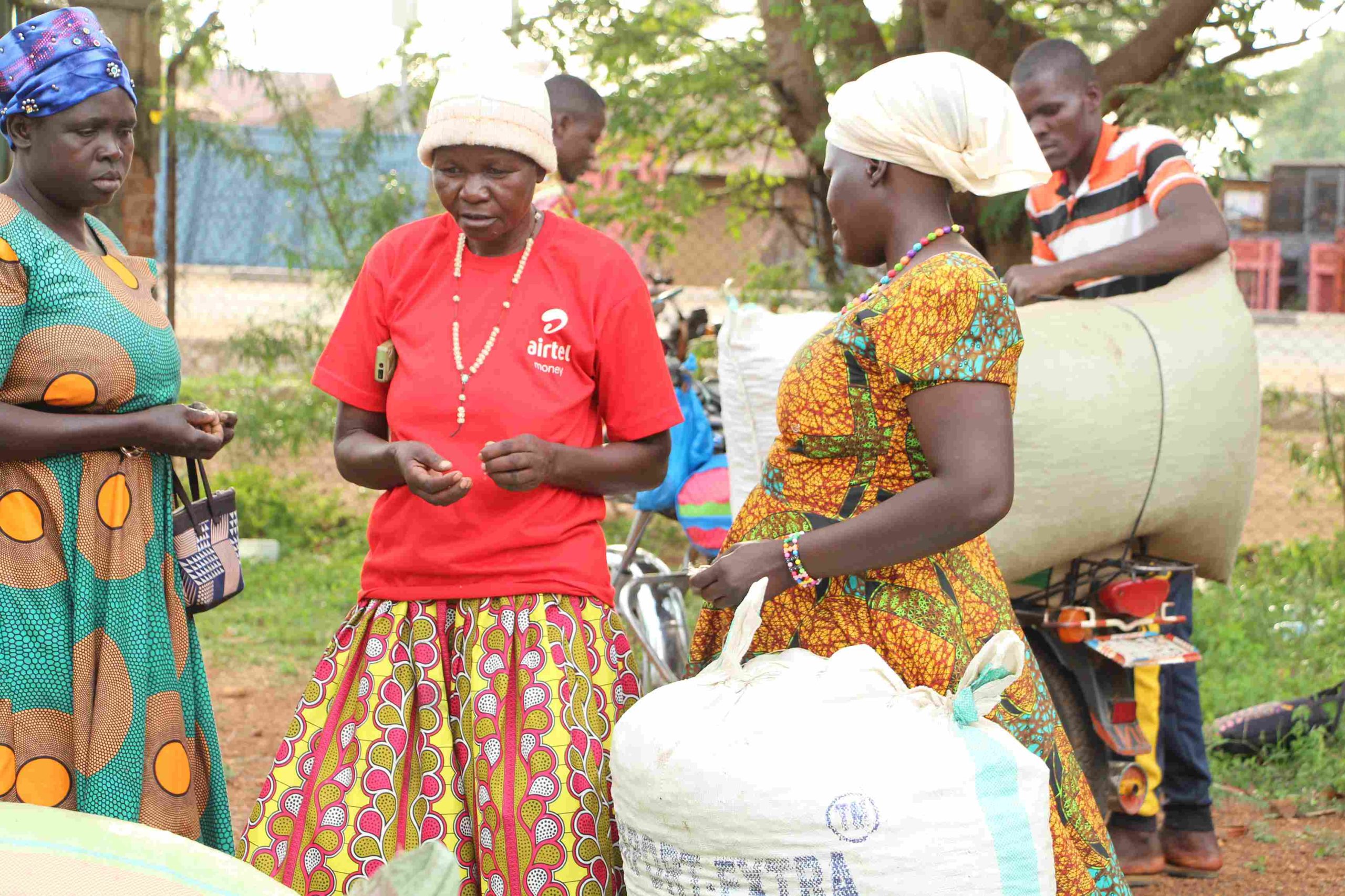
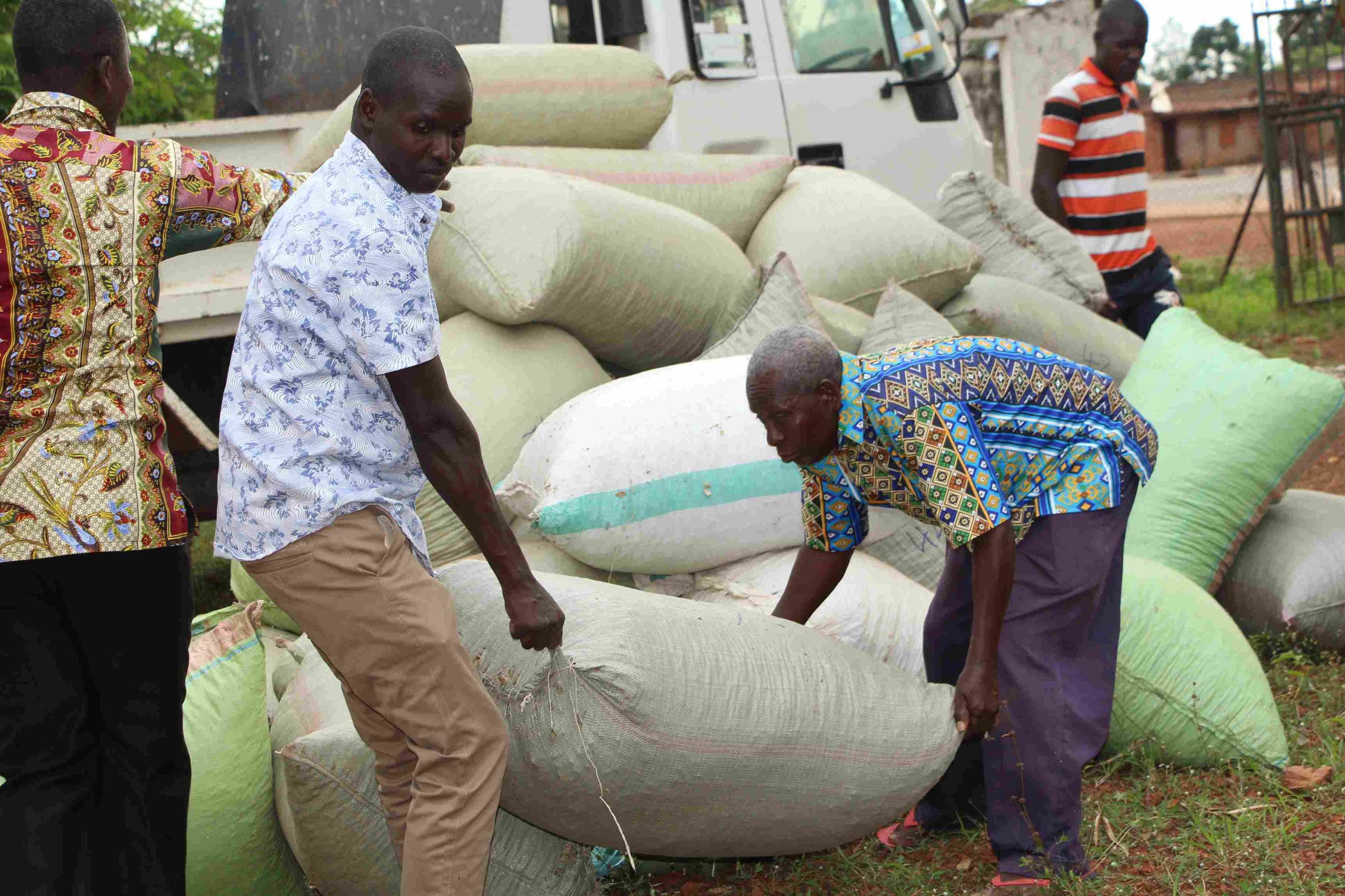
Through these partnerships, farmers were linked to access foundation seed for the upcoming planting season, including 339 bags of groundnuts, 225 kilograms of sesame, and 6,995 kilograms of soybean seed.
This is not just a logistical achievement; it reflects a growing confidence among farmers in improved technologies and a gradual shift toward investment-driven agriculture. Another key innovation under the NOSP is the promotion of Local Seed Businesses (LSBs).
SOCADIDO has strengthened 30 Local Seed Businesses across the project area, creating community-based seed systems that improve last-mile access to quality seed and reduce dependence on distant suppliers.
By training LSB committees in seed production, quality control, and marketing, the organization is laying the groundwork for more sustainable and reliable local seed supply systems that can continue serving farmers beyond the project life cycle.
Market development and value chain coordination have also been strengthened through the establishment of Multi-Stakeholder Platforms (MSPs) at cluster and hub levels.
SOCADIDO has mapped more than 80 value chain actors, including agro-input dealers, aggregators, processors, financial institutions, and insurance providers, and integrated them into structured coordination platforms.
These platforms are improving service delivery, facilitating market linkages, and enabling joint planning and problem-solving across the oilseed value chain. The result is that farmers are increasingly able to aggregate produce, meet market demand, and negotiate better prices.
Engagements with major market actors and aggregators such as Mukwano and regional buyers are already opening new marketing pathways. At the same time, partnerships with financial institutions including Centenary Bank, Equity Bank, and Pearl Bank are creating a foundation for improved access to agricultural credit, savings, and financial literacy services.
During the reporting period, more than 4,100 farmers, of whom 62 percent were women and 28 percent youth, were sensitized on agricultural insurance products. Mechanisms are now underway to recruit community-based insurance agents who will support farmer enrolment and deepen uptake at grassroots level.
These efforts are expected to significantly improve farmers’ ability to absorb shocks such as droughts, floods, and crop failure, which have become increasingly common across the Teso sub-region.
Behind the statistics and project milestones are real human stories of resilience and transformation. In Akileng Parish, Alito Central Village in Kapelebyong District, the story of Denis Omara, a 34-year-old smallholder farmer, stands out as a powerful testimony to the life-changing impact of SOCADIDO’s interventions under the ADEFO-MAP project.
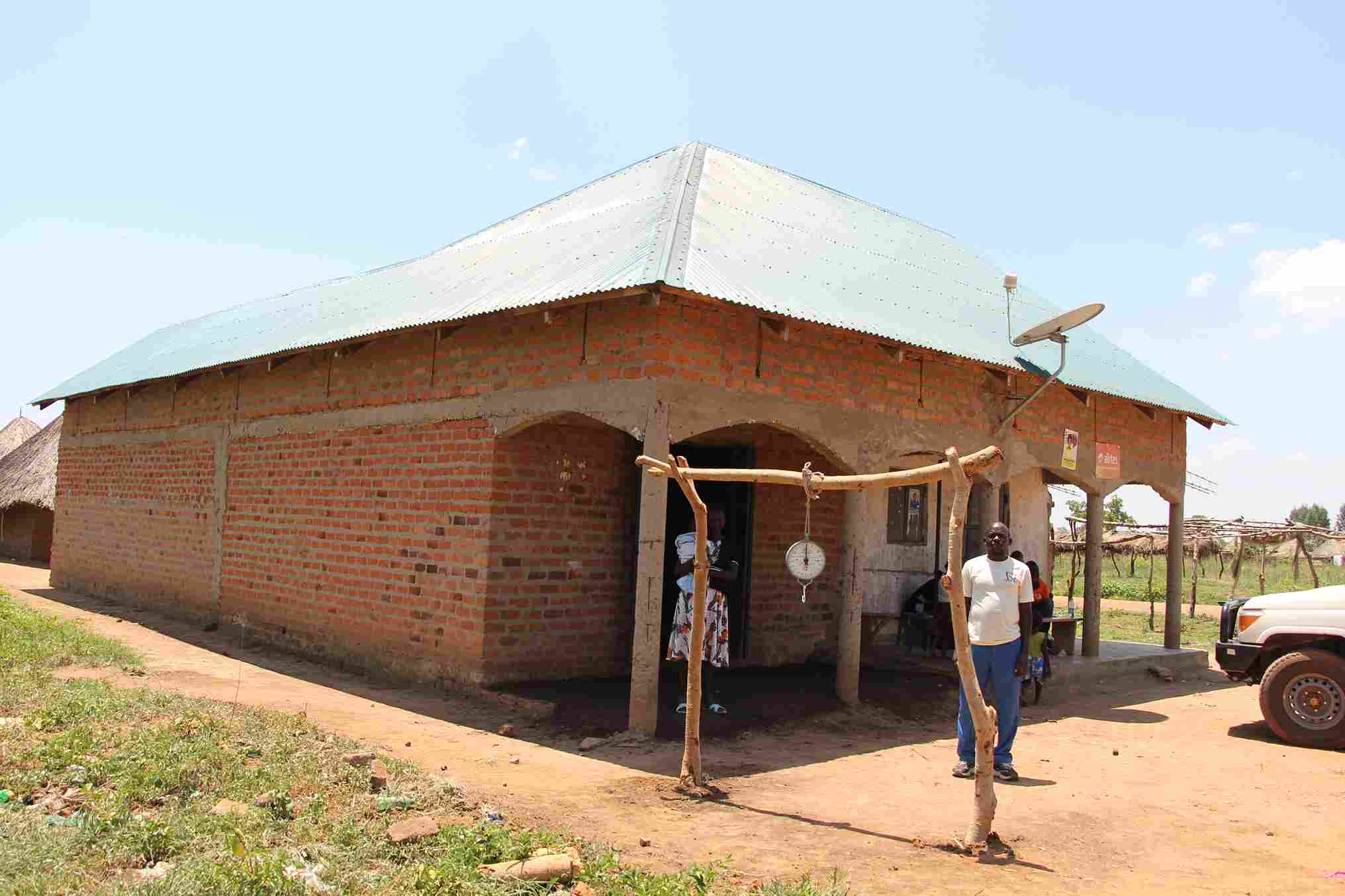
Born and raised in a resource-constrained household, Omara’s early life was marked by hardship, uncertainty, and limited opportunity. Due to financial constraints, he dropped out of school in Primary Seven, ending his formal education and forcing him into subsistence farming at a young age.
As the father of seven children, the burden of providing food, education, and healthcare for his family became increasingly overwhelming. “Life was very difficult. I struggled to provide for my family, and at some point, I even felt that poverty was my destiny,” Omara recalls.
Like many rural farmers, he lacked access to improved agricultural knowledge, quality inputs, and reliable markets. His farming generated little income, and school attendance for his children was often interrupted because of unpaid fees.
His turning point came when SOCADIDO introduced targeted capacity-building interventions through the ADEFO-MAP project. Through structured training in modern farming techniques, agribusiness management, and enterprise development, Omara’s mindset began to shift. For the first time, he started seeing farming not merely as a means of survival, but as a pathway to economic progress.
“When SOCADIDO came, they opened our eyes. I realized that farming could be more than just feeding the family, it could be a business,” he says.
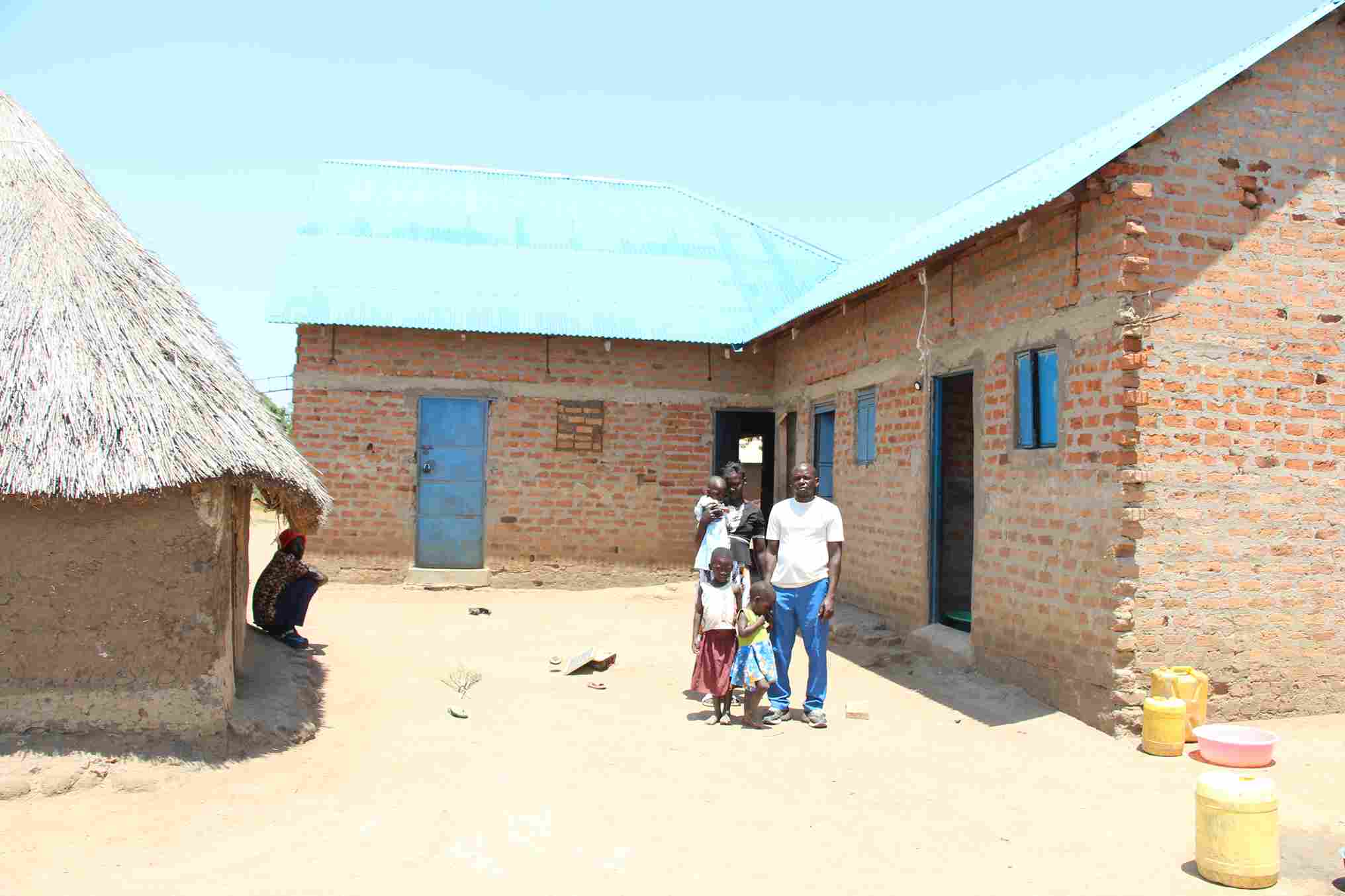
Determined to apply what he had learned, Omara began investing strategically in his farm enterprises. Within just one year of participating in the training, he achieved what he describes as a life-defining milestone.
“I took the training seriously, and within one year, I was able to buy my first piece of land. That was the moment I knew change was possible,” he explains.
In the second year, he built a permanent house for his family, a powerful symbol of stability, dignity, and progress. He then diversified further into poultry and livestock farming, and today manages approximately 100 chickens and six cattle.
His total asset base is now estimated at about UGX 100 million, marking a remarkable journey from vulnerability and despair to economic stability and hope. The transformation has gone far beyond material wealth.
“Today, I can confidently pay school fees and support my children’s education. This alone shows how much my life has changed,” Omara says proudly. His children are now enrolled in private schools, something that once seemed impossible.
But perhaps even more inspiring is how his success has begun to benefit others. Recognizing the importance of collective action, Omara joined fellow farmers to establish a cooperative aimed at improving market access and strengthening bargaining power. To demonstrate his commitment, he offered part of his own home as a temporary office for the cooperative.
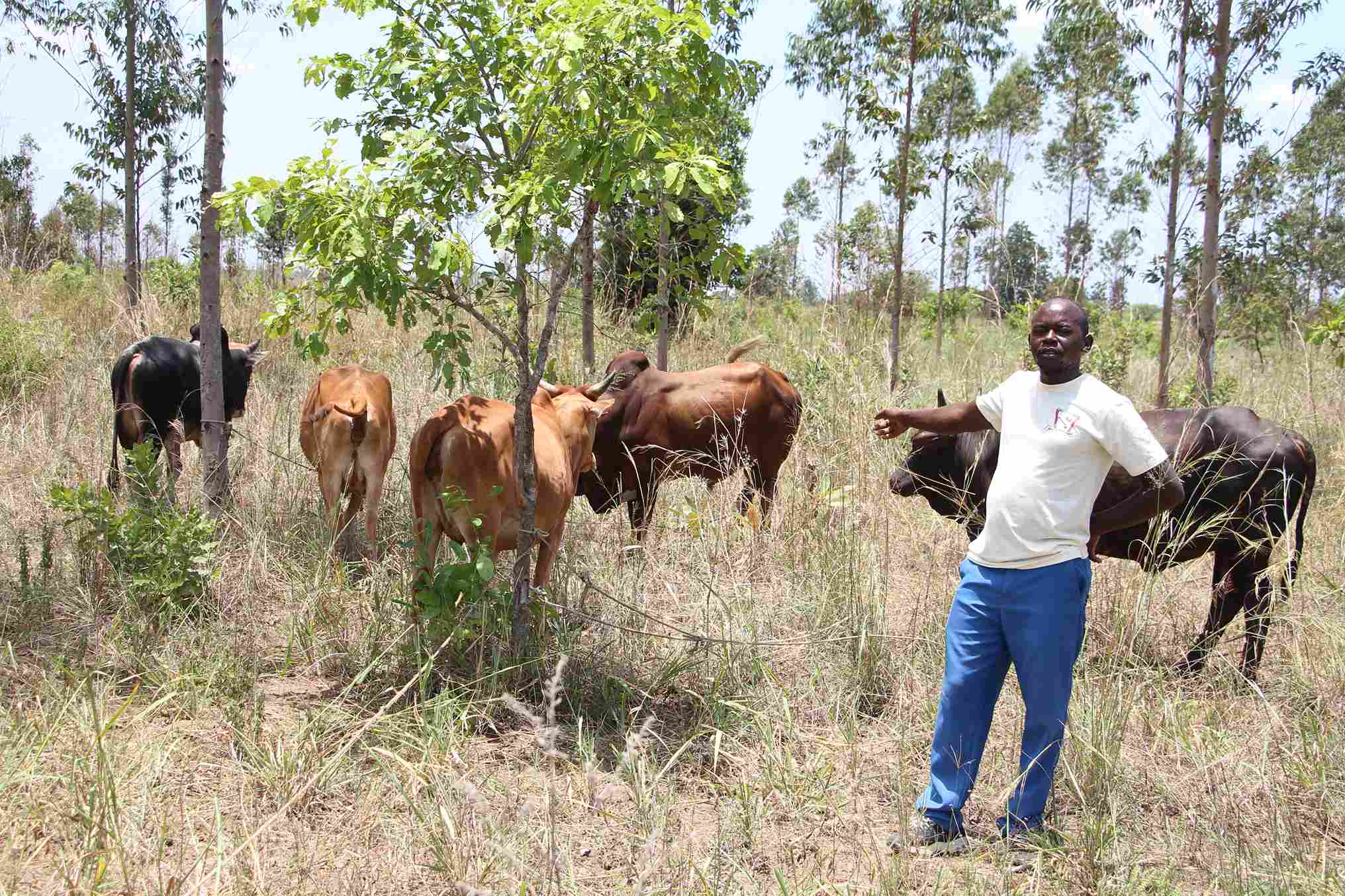
“We wanted to show that we are organized and ready to grow. I gave part of my house so that the cooperative could start somewhere,” he explains.
Omara’s story is more than a personal success story. It is a reflection of what becomes possible when vulnerable households gain access to the right combination of knowledge, mentorship, market linkages, and opportunity.
Still, his message is one of gratitude and conviction. “I am truly grateful for the support I received. If SOCADIDO had not come, our lives would not have changed. Today, I see a future that was once impossible,” he says.
For thousands of households across Eastern Uganda, that transformation is already being felt in better harvests, cleaner water, healthier children, stronger farmer groups, improved school attendance, and renewed confidence in the future.