
By SOCADIDO TEAM
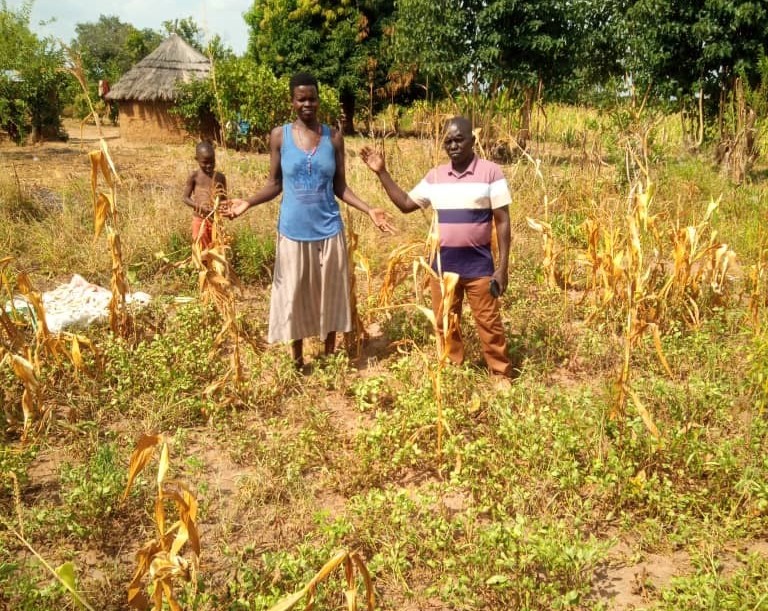
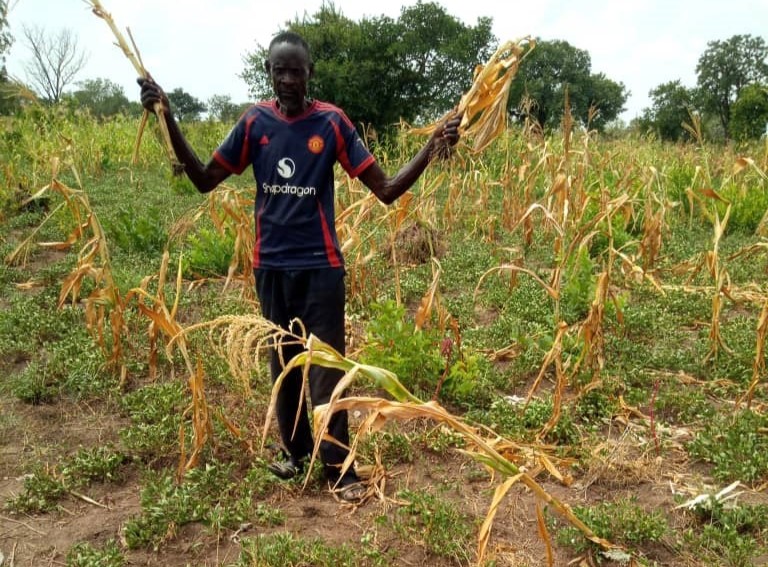
The drought has written its warning across the fields of Teso. Where green maize once stretched across the plains, dry stalks now stand as stark reminders of a season slipping away. Groundnut gardens that should be filling with pods are producing little. Beans have withered before flowering, while sorghum, millet and cassava are struggling to survive under relentless heat.
Across the eastern Uganda sub-region, farmers are watching months of hard work disappear before harvest. Their concern is no longer simply about poor yields. It is about whether their families will have enough food to last until the next planting season.
The prolonged dry spell has affected much of Teso, but field reports suggest the situation is most severe in the districts of Katakwi, Kapelebyong and Amuria, where agriculture is overwhelmingly dependent on seasonal rainfall.
What is unfolding is more than another difficult farming season. It is an early warning that, unless swift action is taken, the region could be heading toward a significant food-security crisis.
One of the clearest indications of the scale of the crisis comes from Acinga Sub-county in Kapelebyong District, where local leaders have undertaken a community-based assessment to document the effects of the drought.
Working through LC I structures, the SAS team compiled data from the parishes of Oleet, Acinga, Cula, Nyaikuro and Adepar. Their findings reveal extensive crop losses affecting 1,546 households and 20,762 gardens, making Acinga one of the first communities in the sub-region to systematically document the impact of the prolonged dry spell.
The assessment recorded damage across virtually every major food crop grown by local households.
Among the affected gardens were 3,242 maize fields, 1,500 bean gardens, 3,836 groundnut gardens, 921 millet gardens, 2,394 sorghum gardens, 574 cowpea gardens, 2,264 green gram gardens, and 2,521 cassava gardens.
Although the assessment covers only one sub-county, agricultural experts say the findings mirror conditions increasingly being reported elsewhere across Teso, suggesting that the region may be facing widespread production losses.
The figures represent far more than statistics. Each damaged garden reflects a household whose primary source of food and income has been compromised.
A region dependent on the rains
Agriculture remains the backbone of livelihoods throughout Teso.
Unlike irrigated farming systems found elsewhere, most farmers rely almost entirely on seasonal rainfall to grow food for household consumption and surplus for sale.
When rains fail during critical stages of crop development, farmers have few alternatives.
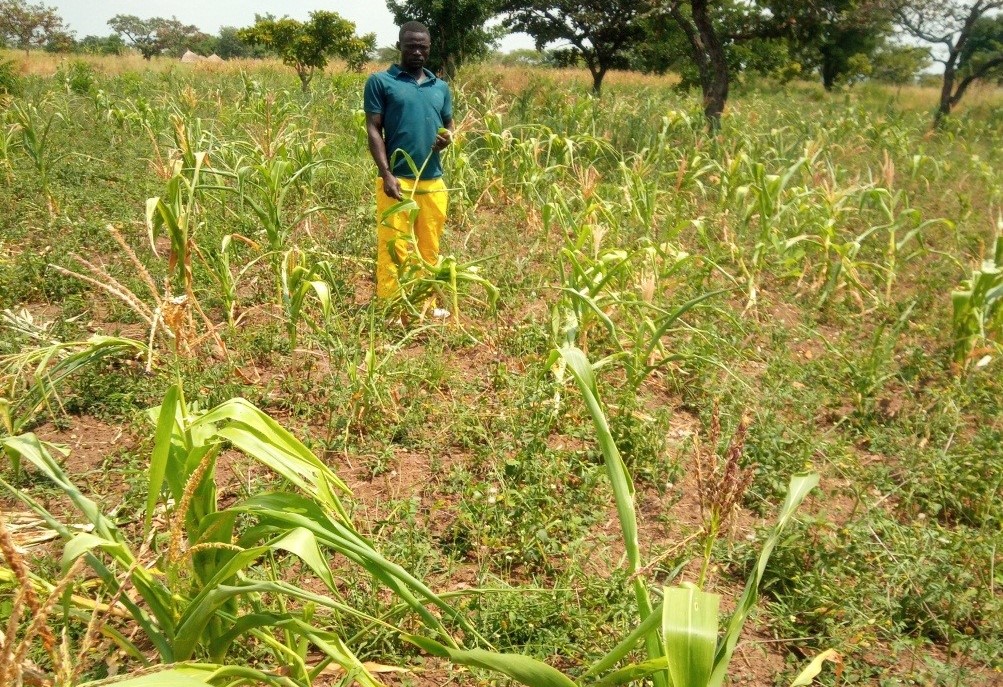
This season, rainfall has been erratic and insufficient. Crops germinated but failed to mature. Others never established properly, leaving farmers with little hope of meaningful harvests.
For many households, the consequences extend well beyond the current season.
A failed harvest reduces food supplies, weakens household incomes and limits farmers’ ability to purchase seed and agricultural inputs for the next planting cycle. The result is a cycle of vulnerability that can persist long after the drought has ended.
Food insecurity begins long before hunger
Food crises rarely begin with empty granaries.
They begin gradually, as households lose the ability to produce enough food, earn income from agriculture or purchase what they cannot grow themselves.
In rural Teso, families typically expect maize and cassava to provide staple food throughout the year. Beans, cowpeas and green gram supply dietary protein, while millet and sorghum remain essential staples in many communities. Groundnuts are both a nutritious food and a major cash crop, particularly for women engaged in small-scale trade.
When several of these crops fail simultaneously, household resilience weakens rapidly.
Food stocks that should last six months may be exhausted in only two or three. Families are forced to enter local markets much earlier than expected, purchasing food at a time when reduced production is likely to push prices upward.
Households respond by reducing the number of daily meals, cutting dietary diversity and relying on cheaper foods with lower nutritional value. What begins as a poor harvest can quickly develop into widespread food insecurity.
Groundnut losses threaten household incomes
Among the crops hardest hit in Acinga are groundnuts.
The local assessment documented 3,836 affected groundnut gardens, with Adepar Parish alone accounting for 1,939.
Groundnuts occupy a unique place in the rural economy.
Beyond serving as an important source of nutrition, they generate income that enables families to pay school fees, access healthcare and meet other household expenses. Women, who dominate much of the groundnut trade, often depend on seasonal sales as their primary source of cash.
Poor harvests therefore create a double burden.
Families lose both food and income.
Without produce to sell, households may delay medical treatment, struggle to keep children in school or fail to purchase seed for the next planting season. Some are forced to sell livestock or other productive assets simply to meet immediate food needs.
Such coping mechanisms provide short-term relief but deepen long-term poverty. A single drought season can undermine years of progress in building household resilience.
Katakwi, Kapelebyong and Amuria among the hardest hit
While drought has affected much of Teso, reports from Katakwi, Kapelebyong and Amuria indicate that these districts are experiencing some of the most severe crop stress.
The districts share similar characteristics: heavy dependence on rain-fed agriculture, limited irrigation infrastructure and high levels of household reliance on seasonal crop production.
When rains fail, both food availability and household incomes decline simultaneously.
Reduced harvests also have broader economic implications.
Lower production means less grain reaching local markets, even as increasing numbers of households become food buyers instead of food producers.
The resulting imbalance between supply and demand is likely to place upward pressure on food prices, making basic staples increasingly unaffordable for poorer families.
Although the Acinga assessment does not represent the entire Teso Sub-region, it provides compelling evidence that urgent verification is needed across other drought-affected areas.
Vulnerable families face the greatest risk
The effects of food shortages are rarely shared equally.
Children are particularly vulnerable because inadequate diets affect physical growth, learning and overall health. Pregnant and breastfeeding women require increased nutritional intake, while elderly people and persons living with disabilities often have limited opportunities to supplement household income.
Women frequently bear additional responsibilities during food shortages.
They must stretch shrinking food supplies, care for children and search for alternative sources of income, often while managing farms that have already failed.
As household food security deteriorates, families begin adopting survival strategies that may have lasting consequences.
Seed reserved for future planting may be consumed. Livestock may be sold below market value. Families may borrow money under unfavourable conditions or withdraw children from school because they can no longer afford education expenses.
By the time severe hunger becomes visible, many households have already exhausted the resources needed to recover.
Early action could prevent a larger crisis
Experts say the current situation calls for urgent and coordinated assessments across the Teso Sub-region.
The community documentation carried out in Acinga demonstrates how local leadership structures can rapidly identify affected households and provide valuable evidence for decision-makers.
Similar assessments should now be undertaken across other drought-affected sub-counties using common methodologies to establish the full scale of crop losses.
Authorities need reliable information on remaining household food stocks, projected harvest levels, market food prices, nutrition risks and the coping strategies families are already adopting. Such information is essential for planning timely interventions before conditions deteriorate further.
The value of early warning lies not simply in identifying problems but in enabling action before they become humanitarian emergencies. Waiting until households have exhausted their food reserves will make any response significantly more costly and less effective.
Beyond emergency relief
Where assessments confirm severe food shortages, targeted food assistance or cash support may become necessary for the most vulnerable households.
However, humanitarian assistance alone cannot solve the underlying challenge.
Climate variability is becoming increasingly common across eastern Uganda, requiring long-term investments that strengthen agricultural resilience.
Farmers need greater access to reliable seasonal weather forecasts, drought-tolerant and early-maturing crop varieties, improved seed systems and practical water management technologies.
Expanding water harvesting, small-scale irrigation and community water infrastructure would reduce dependence on increasingly unpredictable rainfall.
Improved soil management including mulching, agroforestry, crop rotation and conservation farming can also help retain soil moisture during prolonged dry periods. Diversifying rural livelihoods is equally important.
Households that depend exclusively on one rain-fed cropping season remain highly vulnerable to climate shocks. Livestock production, irrigated horticulture, value addition and non-farm enterprises can provide alternative income sources when crops fail.
Strengthening household food storage systems would further improve resilience by enabling families to preserve surplus production during good seasons for use during difficult years.
The fields are already speaking
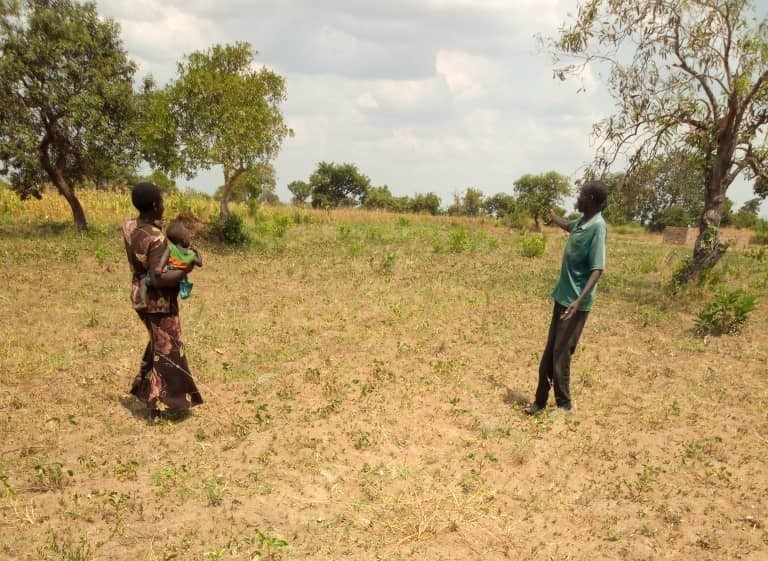
The most compelling evidence of the drought is not contained in reports or statistical tables. It is visible across the fields of Teso.
It is seen in maize drying before grain formation, in shrinking cassava gardens and in groundnut fields that promise little harvest after months of labour. It is reflected in the uncertainty of farmers who invested their savings, prepared their land and planted with hope, only to watch the rains disappear.
The warning signs emerging from Katakwi, Kapelebyong and Amuria demand urgent attention. The assessment conducted in Acinga Sub-county provides a credible snapshot of a wider challenge that may already be unfolding across much of the region.
There is still an opportunity to prevent widespread crop failure from developing into a deeper crisis affecting food security, nutrition and rural livelihoods.
But that window is narrowing. The evidence is mounting. The fields have delivered their warning.
The question now is whether Teso and the institutions responsible for safeguarding its people will respond before drought turns into hunger.