
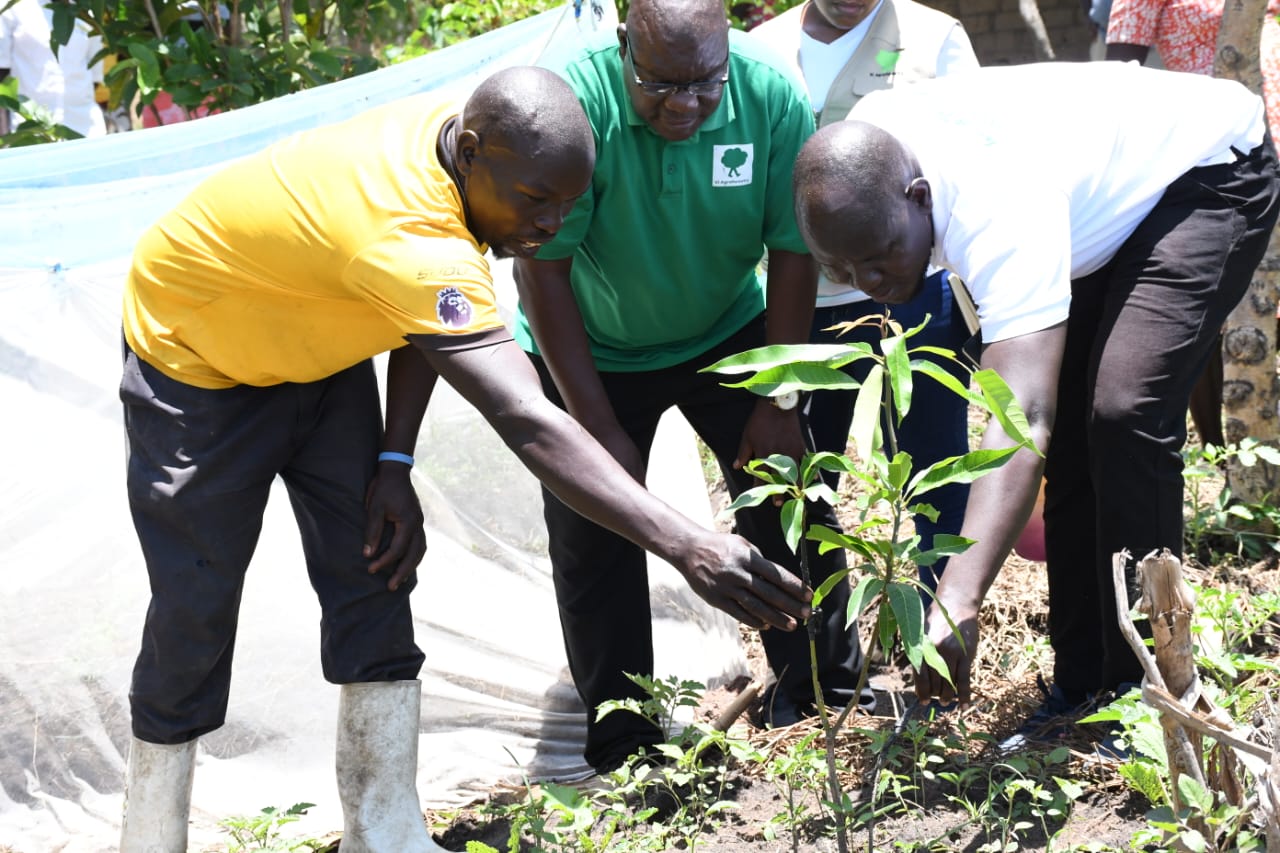
For years, farmers in Palam Sub County, Katakwi District, have lived with the harsh realities of a changing climate. Unpredictable rainfall, prolonged dry spells and other climatic shocks have continued to threaten agricultural production, household incomes and food security.
Located near the border between the Teso and Karamoja sub-regions, Katakwi is largely dependent on agriculture, making the effects of climate change particularly significant for rural households. But today, a growing number of smallholder farmers are beginning to look at farming differently.
Through training’s in sustainable agriculture Land Management, climate-smart practices, household nutrition, tree planting, savings and other livelihood approaches, the farmers in Palam Sub County are gaining knowledge and practical skills that could help them build more resilient households.
This transformation is being supported through the three-year Enhancing and Sustaining Agricultural Livelihoods for Incomes and Biodiversity (ESALI- II) project, implemented by Soroti Catholic Diocese Integrated Development Organization (SOCADIDO) with funding from Vi Agroforestry.
The project, which started in April 2026, is being implemented in four parishes of Palam Sub County—Odoot, Alengo, Acanga and Aelenyang, with a focus on helping communities respond to environmental and economic challenges through sustainable agricultural Land Management practices.
Farmers such as Martin Obatai, Chairperson of Epaperone Farmers Group in Acoite Village,Odoot Parish Palam sub county Katakwi District, the project has brought more than just training, it has introduced new knowledge income generation and encouraged farmers to take practical action.
The group has 34 members and began receiving training’s from SOCADIDO in May 2026. By June, the Smallholder farmers had started putting some of the lessons into practice. “We started with training in May and real action started in June,” Obatai explains.
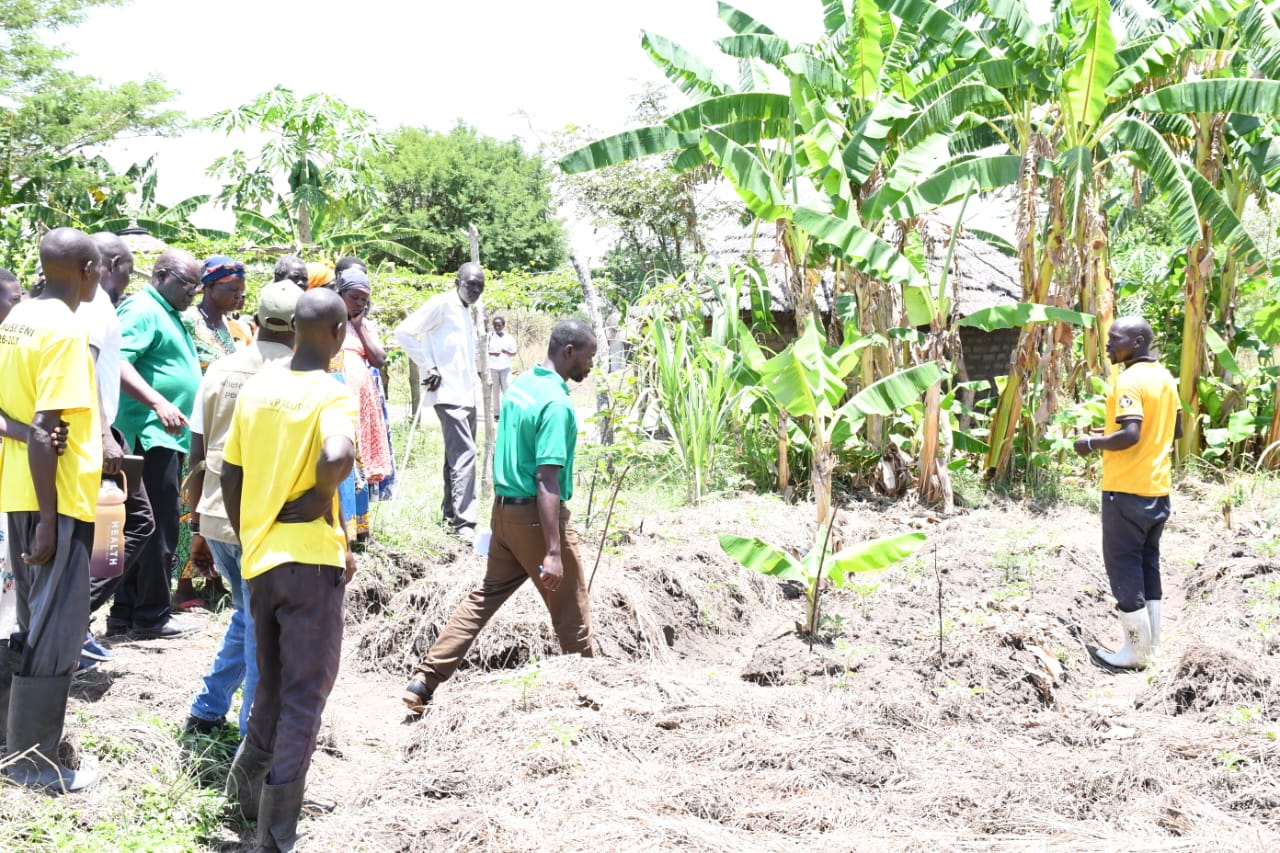
Among the areas covered were the formation and management of Village Savings and Loan Associations (VSLAs), Development of Road maps, preparation and use of compost manure, Organic pesticides, establishment of nutritional gardens and tree planting.
Farmers who have traditionally depended heavily on conventional agricultural practices, this new knowledge is opening opportunities to improve productivity while protecting the environment.
The nutritional gardens, for example, are expected to help households improve access to diverse foods, while manure and locally available agricultural inputs can reduce reliance on expensive external inputs and improve soil health.
Tree planting is another important component of the project, particularly in a community increasingly affected by climate-related challenges. However, Obatai acknowledges that the journey has not been without difficulties. Several farmers have planted trees, but climatic shocks have affected their growth.
Another group benefiting from the project is Acoite B Farmers Group, also known as Ejulakinos Savings Group. The group, which also has 34 members, has been trained in a range of practices designed to improve household resilience and agricultural productivity.
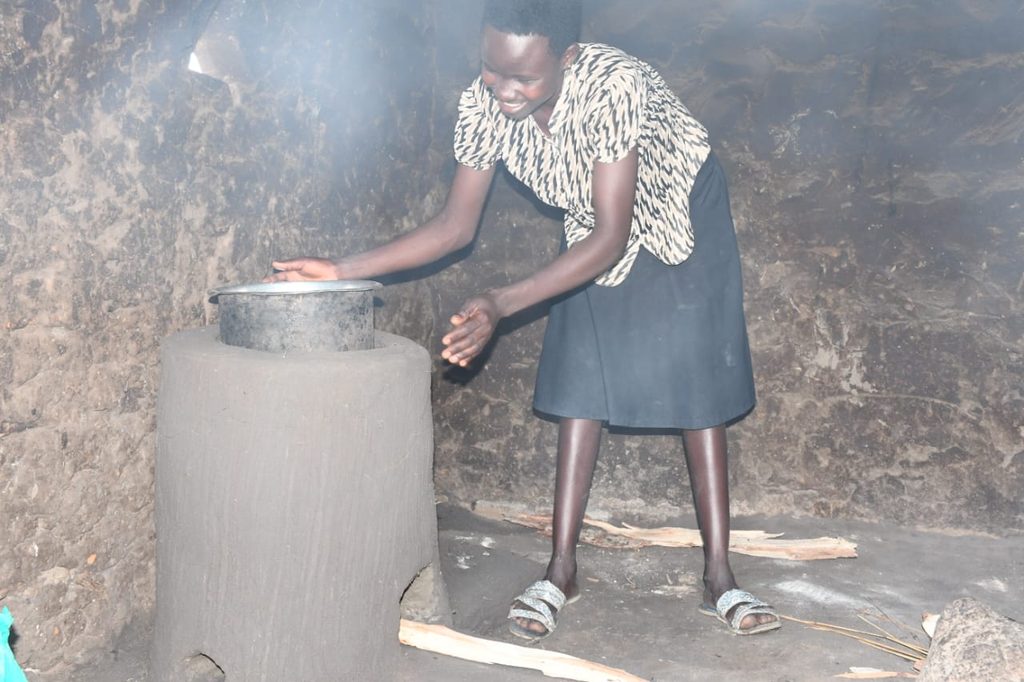
According to the chairperson, Joseph Odeke, the training has covered nutritional gardens, Lorena stoves, manure preparation, local pesticides, safe and appropriate spraying practices, the VSLA approach and tree planting.
These interventions are interconnected. Improving agricultural production can contribute to household food security. Savings can provide families with a financial cushion and help them invest in productive activities. Nutritional gardens can diversify household diets, while environmentally friendly agricultural practices can contribute to healthier soils and more sustainable production.
The project therefore goes beyond teaching farmers how to produce more food rather seeks to strengthen the wider systems that influence the wellbeing and livelihoods of rural smallholder households.
Epolot Joel, the Acoite Local Council I Chairperson in Odoot Parish, the arrival of SOCADIDO has renewed hope in a community that had gone for years without an NGO supported intervention.
He says the area spent approximately seven (7) years without an NGO before SOCADIDO arrived. The intervention has already contributed to the formation of two farmer groups, giving community members an opportunity to organize themselves, access knowledge and work collectively towards improving their livelihoods.
“The coming of SOCADIDO has changed their families,” Epolot says, expressing hope that the community will experience significant improvements during the three-year project period. He adds that community members have accepted to work closely with the project team as they seek to “awaken” the community.
For him, the value of the project is not only in the immediate agricultural activities but also in the possibility of creating a community that is better organized, more knowledgeable and capable of responding to emerging challenges.
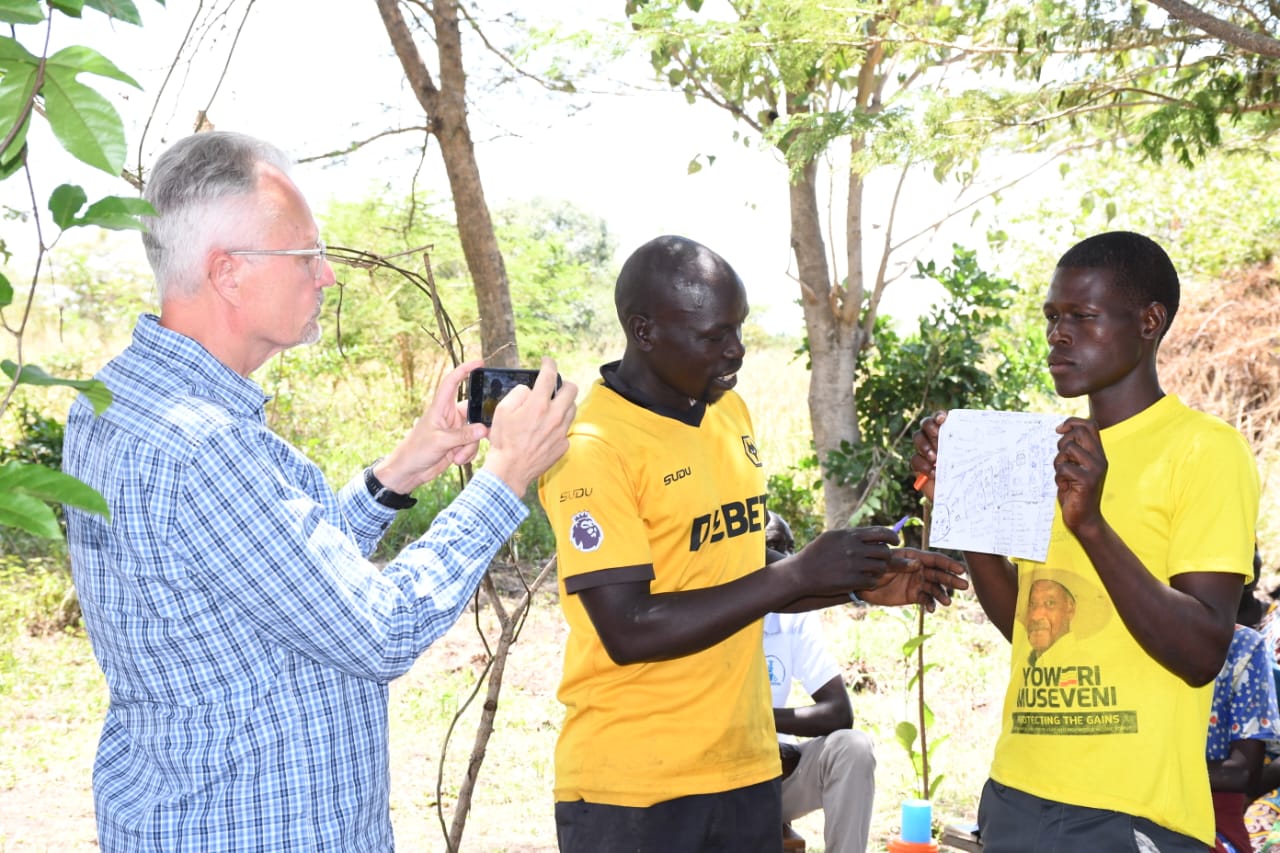
Henrik Häger Brundin, Country Manager for Vi Agroforestry Uganda taking a photo as Mr. Odeke Explains his household Roadmap that he developed after being trained by SOCADIDO staff.
ESALI -II is designed around three broad objectives; promote sustainable land management and biodiversity conservation as a response to environmental challenges, enhance household incomes while strengthening local food and nutrition security and integrate gender equality principles into local agricultural and ecological initiatives, ensuring that women and men can participate meaningfully in decisions and activities affecting household livelihoods and community development.
These objectives are particularly important in communities where agriculture remains central to household survival. Climate change can undermine all three dimensions of land, income and food security. By equipping farmers with knowledge and encouraging collective action, ESALI- II is seeking to strengthen their capacity to withstand such shocks.
According to Richard Pius Okiria, Project Coordinator for ESALI- II at SOCADIDO, the commitment demonstrated by farmers is encouraging. He commended the farmers for embracing the project and working with the implementation team.
Okiria emphasized that the project is designed as a three-year intervention, giving farmers and the implementing team time to learn, adopt and measure progress.
He is optimistic that by the end of the three years, the communities will have demonstrated meaningful changes in their agricultural practices and livelihoods.
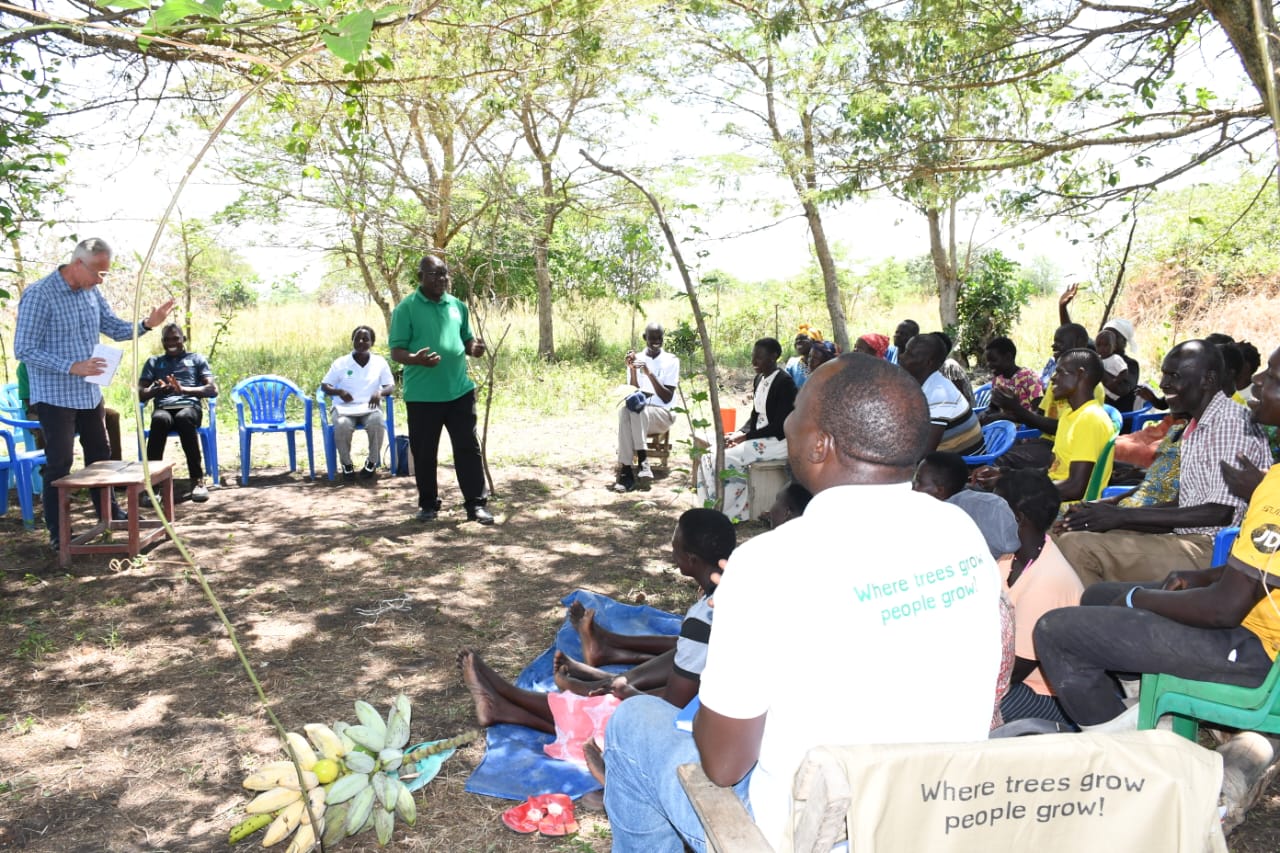
During a two-day holistic monitoring visit to SOCADIDO, Henrik Häger Brundin, Country Manager for Vi Agroforestry Uganda, interacted with the project team and communities to understand the progress and challenges of ESALI- II.
Brundin acknowledged that the project was still in its early stages. “Now I understand we are already in the beginning of the project, just a small period we have been together, but we will be together for years to come,” he said.
He explained that the purpose of the engagement was not simply to observe activities but to understand whether the project would ultimately make a meaningful difference in the lives of participating households.
The questions, he noted, are fundamental: Are household incomes increasing? Is productivity improving? Are families becoming more resilient? And, ultimately, will the intervention help farmers improve their lives? These questions provide an important measure of success for ESALI-II.
For farmers in Palam, the answers will emerge gradually as they continue applying the knowledge acquired through the project.
Martin Obatai, Joseph Odeke, Epolot Joel and the many other farmers who are participating in ESALI-II say, the journey has only just begun. The groups have started saving, establishing nutritional gardens, preparing manure, planting trees and learning about environmentally friendly farming practices.