
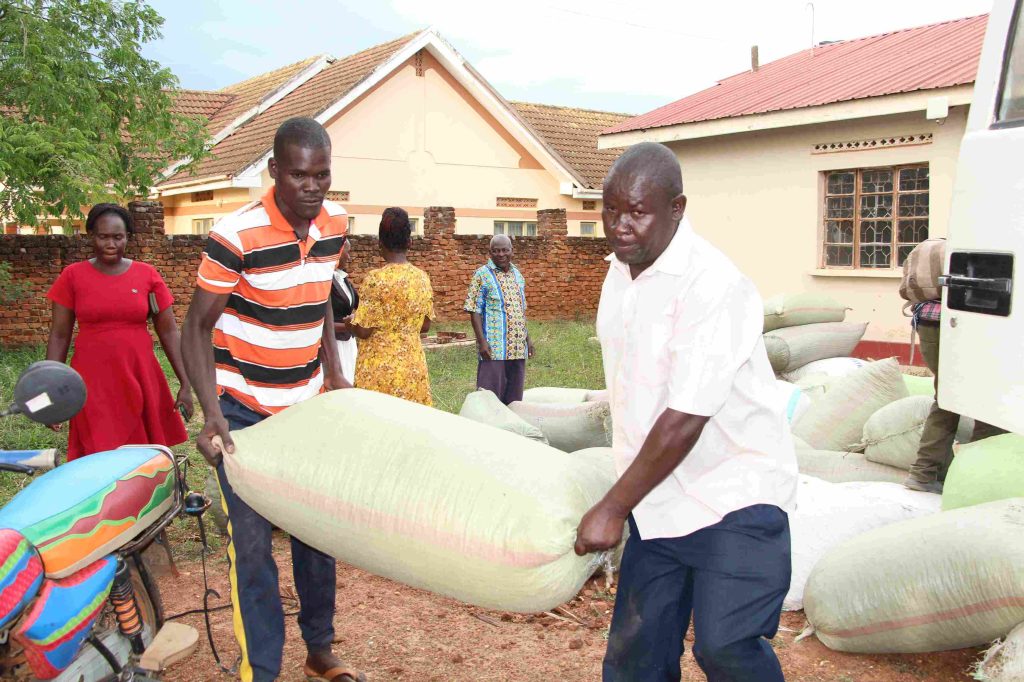
553 farmer groups across the Teso sub-region have received support from SOCADIDO through Farmer Institutional Development, Technical agricultural extension services for increased production and productivity, Business skills development in farmer groups, supported farmers in marketing and market linkages of oil seed value chains, Linked farmers to quality seed for oilseeds, mechanization services and Financial Services, support to Village Savings and Loan Schemes/Farmer groups and SACCOs under the National Oil Seed Project being implemented by the Soroti Catholic Diocese Integrated Development Organization (SOCADIDO) with funding from the Ministry of Agriculture, Animal Industry and Fisheries.
The three-year project, which commenced in June last year and will run until June 2028, is aimed at boosting productivity and production along four key oil seed value chains: sesame, soy bean, sunflower and groundnuts. With and objective of accelerating the commercialization of oil seed crops. The project covers all the 10 districts of Teso, targeting a total of 553 farmer groups, an average of 55 groups per district, with some districts hosting 56 groups.
According to Joshua Opejo, the Extension Service Delivery and Training Officer for SOCADIDO under the National Oil Seed Project, the initiative is focused on strengthening linkages between farmers and various stake holders like research (NaSARRI), Soybean Africa, Agro input dealers, financial institutions and many other stake holders
“This activity is mainly on linkages to agro-input dealers, research institute (NaSARRI) that supplies quality seed, agrochemicals and other inputs,” Opejo explained in this activity, over 50 farmer groups have been supported to access quality Groundnut, soybean, sesame and sunflower seeds from NaSARRI, Asedi Agric Services that farmers are currently planting. “We are looking at increasing productivity and production, linking farmers to lucrative markets but also access to finance and agro-insurance services by farmers.”
He noted that one of the key components of the project is to cushion farmers against the growing risks posed by climate change. Through partnerships with financial and insurance institutions, farmers are being supported to access agro-insurance services so that they can be compensated in case of losses caused by natural calamities such as droughts and floods.
“In case of any loss due to drought or floods, the farmers can be compensated by insurance companies,” Opejo said. “We are also linking them to financial institutions so that they can access money for production, value addition and other project-related activities.”
Opejo revealed that SOCADIDO identified a significant gap between farmers and research institutions, particularly in access to improved agricultural technologies. To address this, the organization has facilitated exposure visits and trainings aimed at connecting farmers directly with researchers.
“We realized there was a big gap between farmers and research in terms of technology access,” he said. “So we had to take farmers to research institutions such that they are able to learn about new technologies developed to increase production and productivity.”
Farmers have been introduced to early-maturing and drought-tolerant seed varieties, a critical intervention in a region increasingly affected by erratic rainfall patterns. “Quality seed is one of the foundations towards increasing yields in Teso,” Opejo emphasized. “With climate change and unreliable rainfall, the use of early maturing varieties and drought-tolerant crops is key to achieving better harvests.”
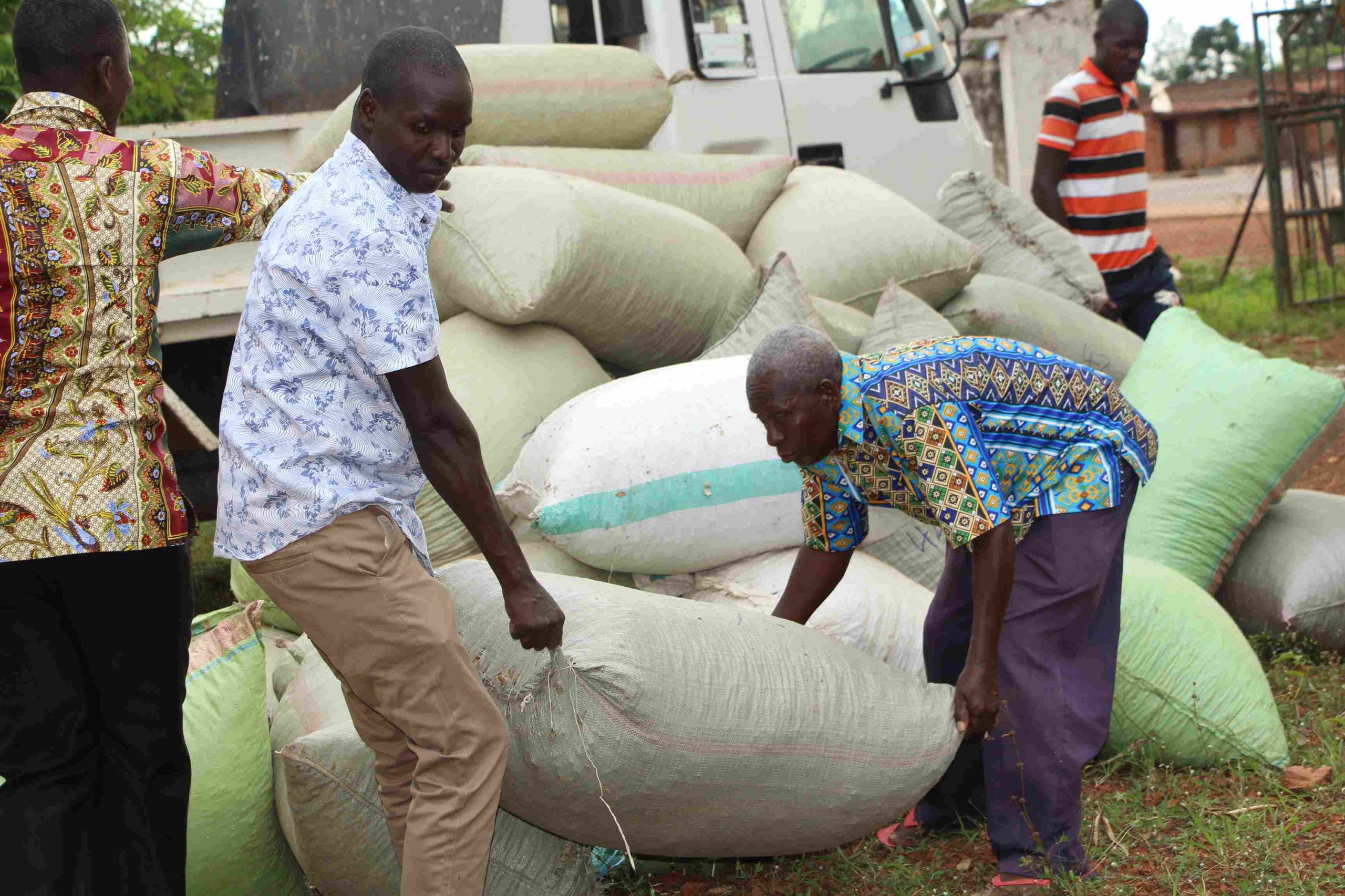
SOCADIDO has also partnered with agro-input dealers and seed suppliers to ensure timely access to certified seeds. More than 50 farmer groups have already been supported to acquire quality seeds for groundnuts, soyabeans and sesame from reputable suppliers.
Among the partners supporting seed and input distribution are NaSARRI, Asedi Agric, which are supplying groundnut seeds, and Achila Enterprises, providing a range of agro-inputs to boost productivity. After production, farmers are also being guided on value addition. In particular, groups engaged in sunflower production are being supported to process their harvest into cooking oil using oil pressing machines.
“There are farmers doing sunflower who have oil pressing machines,” Opejo noted. “They will be supported to process sunflower into oil and have the final product in the market.” This move is expected to increase farmers’ incomes by enabling them to sell finished products rather than raw produce.
“These farmers will do production and after that, they will bulk together,” Opejo explained. “SOCADIDO will then support them to access markets locally, nationally and even internationally.” The strategy is designed to address long-standing challenges of fragmented production and exploitation by middlemen, which have often limited farmers’ earnings.
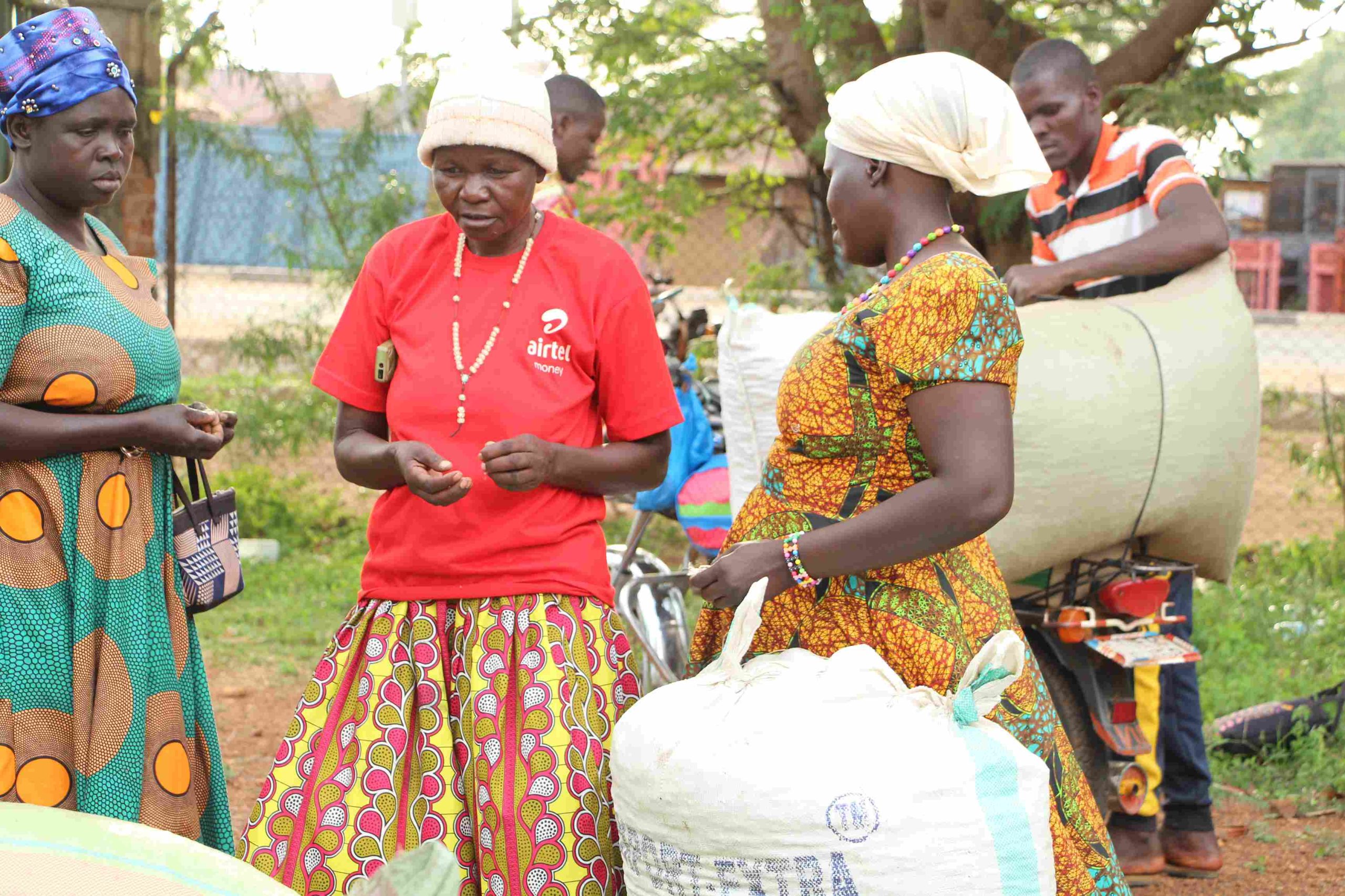
Itadal Hellen, Chairperson of Marukatuman Ekeunos Groundnut Growers in Kabwongo Ward, Kanyum Town Council, Kumi District, expressed gratitude to SOCADIDO for the support extended to her group.
“We are very happy because we have received quality seeds and training,” she said. “This project has given us hope that we can increase our yields and improve our household incomes.”
Another beneficiary, Omoda John from Asikinyi Village, Kabura Parish, Mukongoro Sub County in Kumi District, said the project has improved farmers’ knowledge and confidence.
“In the past, we used to plant recycled seeds, and yields were low,” he said. “Now we understand the importance of certified seeds and proper agronomic practices. We expect better harvests this season.”
The National Oil Seed Project comes at a time when Teso is seeking to strengthen its agricultural base and improve livelihoods through commercial farming. By focusing on quality inputs, research linkages, agro-insurance, access to finance and market integration, SOCADIDO and the Ministry of Agriculture are laying a foundation for sustainable agricultural growth in the region.